Everybody needs a space where they can feel understood and find a sense of belonging.
I talked to Joni and Christopher, the founders of Asian Persuasion. They’ve been organising events for and by the Asian community since 2020.
On the 21st of November, they’re organising their next edition in AB Club. A night with performers of various practices, representing the different aspect of Asian identities.
We chatted about the importance of Asian representation and what community means to them.
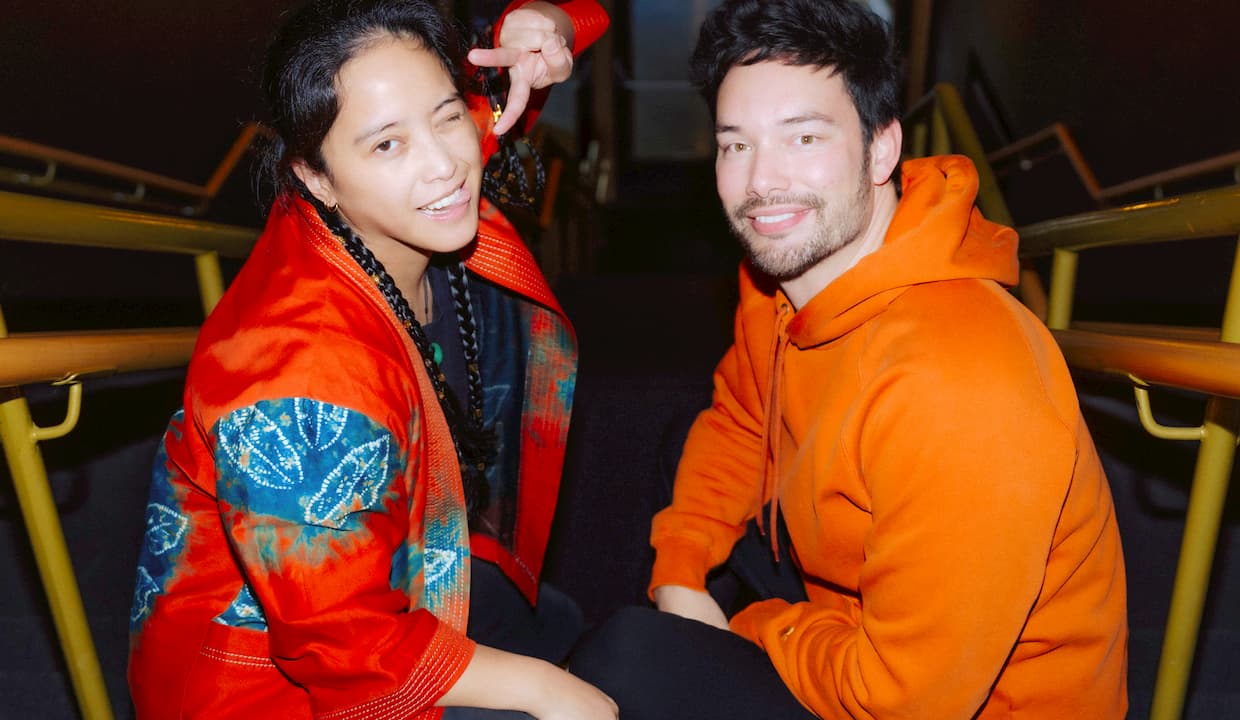
© Lucinde Wahlen
In the western mainstream, “Asian” mostly referes to the East and Southeast, leaving behind a majority of the continent. How do you address this in your work?
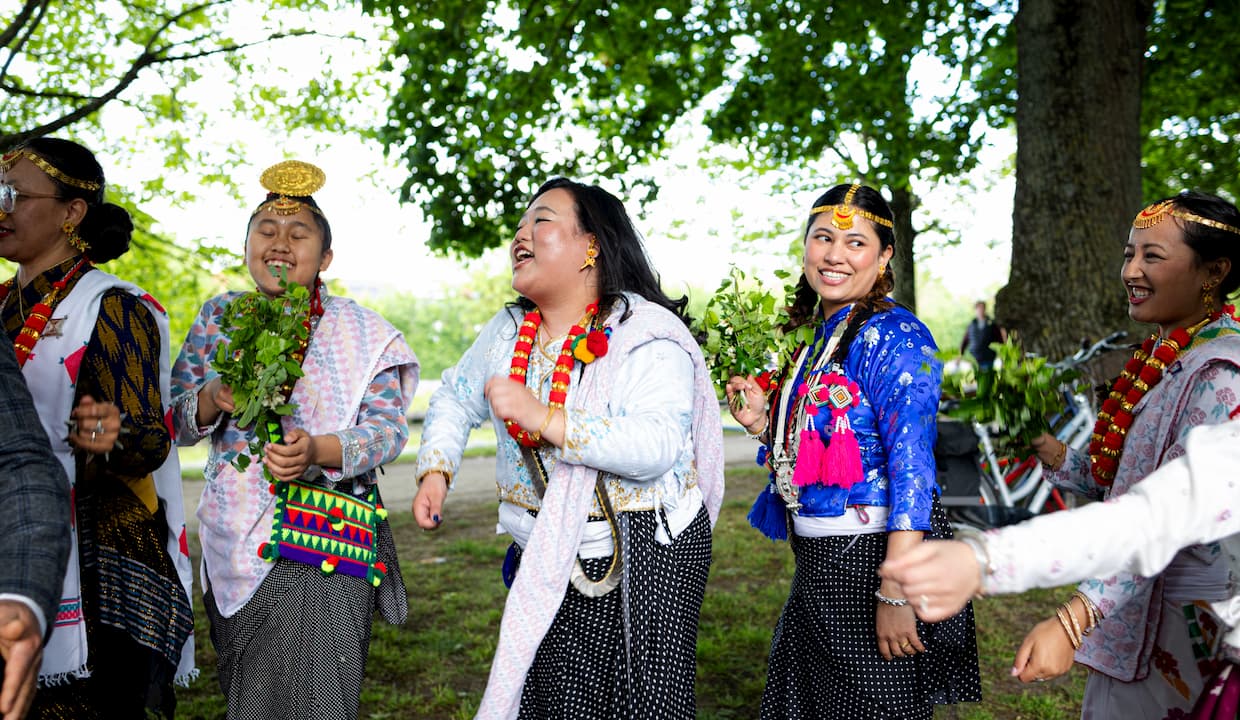
Joni: We take an intentionally broad and inclusive view of what it means to be Asian. Our community not only includes people from all regions, but also people of mixed heritage, adoptees and members of diaspora, as that’s our story as well.
There is no single Asian experience. People connect to their Asian identity in different ways depending on their family history, migration background, upbringing, culture and lived experiences.
We actively fight the stereotypes of what an Asian person “should” look like, what matters to us is whether they have a genuine connection to Asian heritage and/or lived experiences as an Asian person.
© Benina Hu
Existing in an European/Belgian context, do you feel like the community is represented enoguh?
Christoper: Not really. Or better, not yet. Things are definitely changing and we're seeing more Asian stories, artists and initiatives than ever before.
At the same time, there are still relatively few spaces that centre Asian experiences in all their diversity. Historically, Asians have often been overlooked in conversations around representation, discrimination and belonging, which means many people have grown up without seeing themselves reflected in the cultural landscape around them.
Joni: The initial trigger for creating Asian Persuasion was the rise in anti-Asian racism during the COVID-19 pandemic. Around the same time, we also witnessed examples of Asian cultures and communities being represented without meaningful Asian involvement behind the scenes. Those experiences reinforced the need for a platform that is created for and by Asians, where artists, creatives and community members can tell their own stories, on their own terms, and be treated with the respect they deserve.
There’s undoubtedly still work to do and nuance if often important when talking about such a broad community. What is your approach?
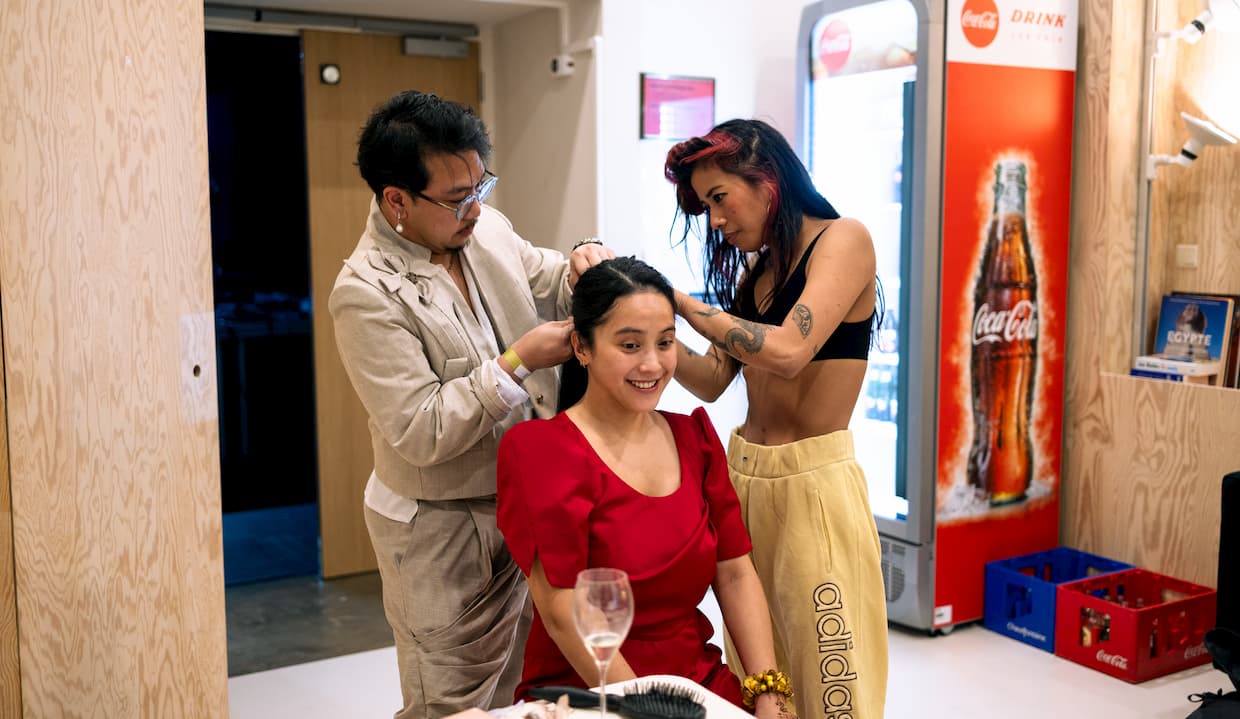
Joni: Our primary focus is the performing arts. But art doesn't exist in a vacuum.
Through music, dance, comedy, theatre, martial arts and other artistic disciplines, we want people to tell their story.
Many of the experiences and perspectives that emerge through our programming naturally touch on topics such as identity, belonging, representation, racism, discrimination, mental health, adoption, mixed-race experiences, migration and intergenerational histories.
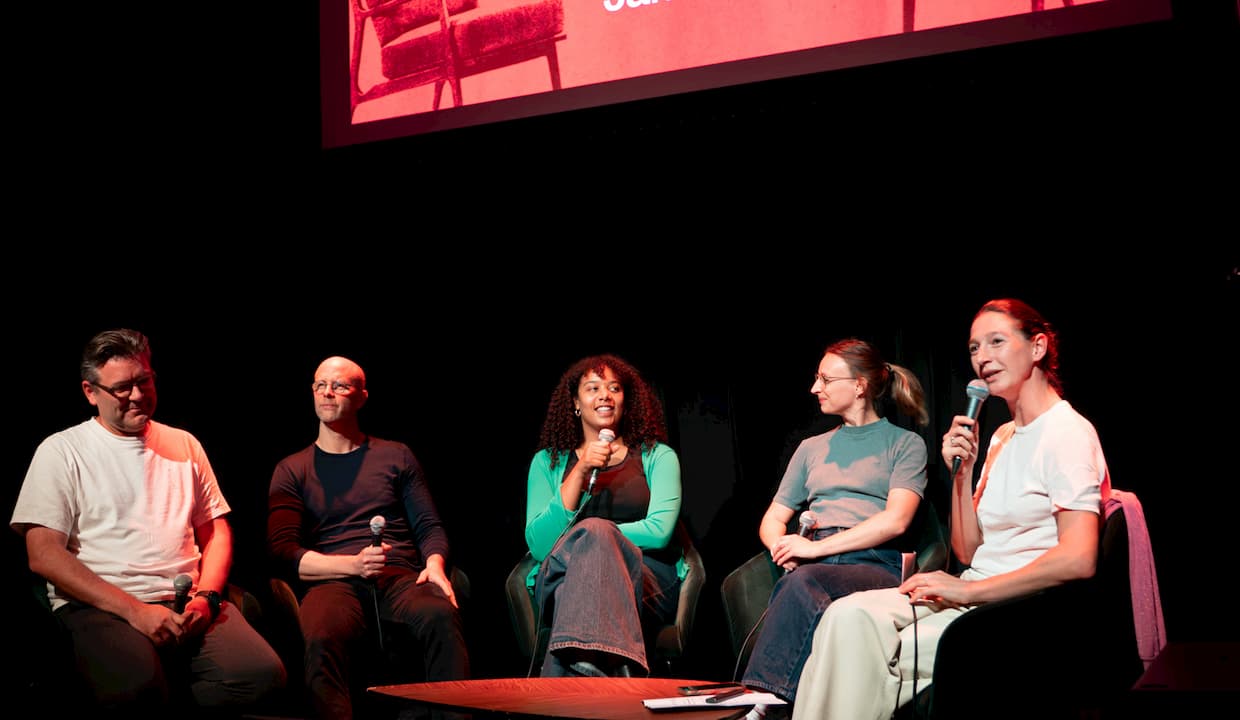
Christopher: We also organise panel discussions and community events around some of these themes. Ultimately, our goal is simple: to create more space for Asian voices, stories and experiences in all their diversity.
© Benina Hu
The name “Asian Persuasion” could raise eyebrows. How did this name come to be?
Christopher: The name itself is intentionally provocative. Today, the term often carries uncomfortable associations and is sometimes linked to fetishization, exoticization and even pornography. We're very aware of that.
Rather than avoiding those associations or choosing a "safer" name, we decided to reclaim it. For us, Asian Persuasion is not about how Asians are viewed by others. It's about how we choose to present ourselves. It represents visibility, creativity, community, and the power to tell our own stories.
The word persuasion also refers to influence and the ability to inspire change. Through art, culture, and meaningful encounters, we believe in the power to challenge stereotypes, broaden perspectives, and bring people together.
After 6 years of bringing people together, what does community mean to you?
Christopher: Community is not having to explain yourself all the time. It's about finding people who understand (parts of) your experience, while also making room for many different perspectives and stories. It's a space where people can connect, create, celebrate, learn, and support one another. It isn't just about shared heritage, it's also about showing up for each other.
Joni: Fortunately, we're no longer alone in doing this. More initiatives are emerging. The goal isn't to be the only space, but to help create an ecosystem where many Asian voices can thrive.
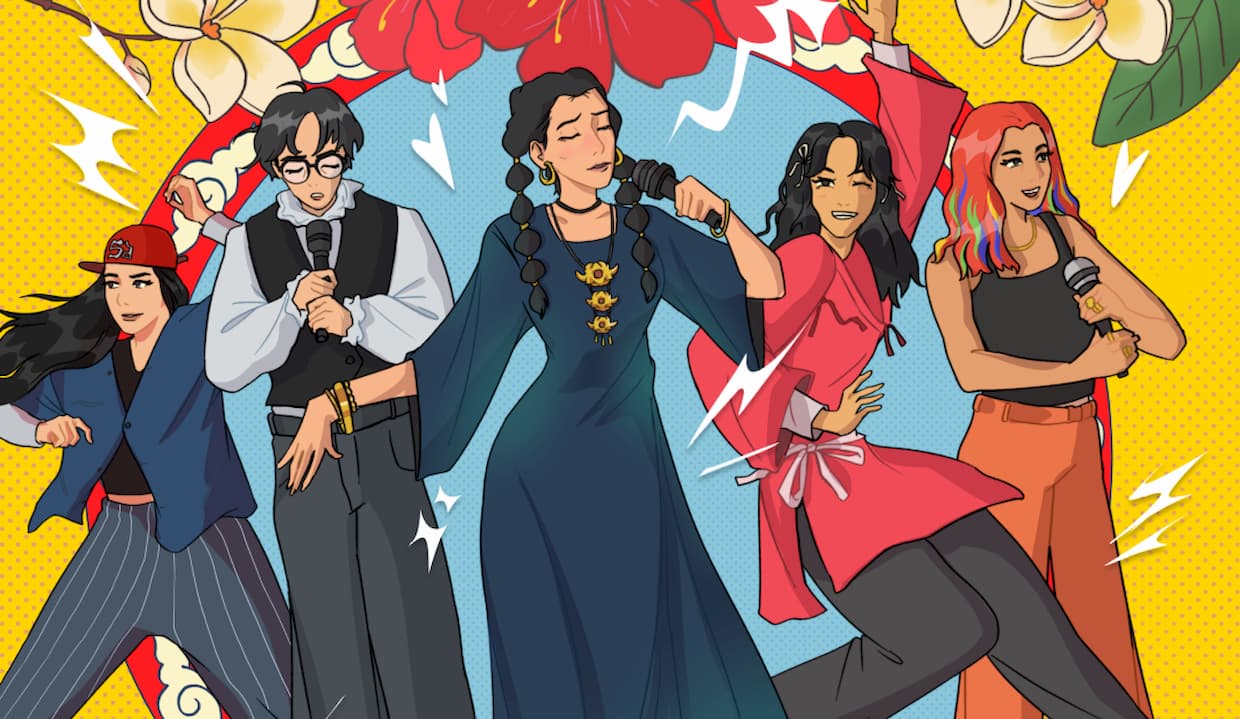
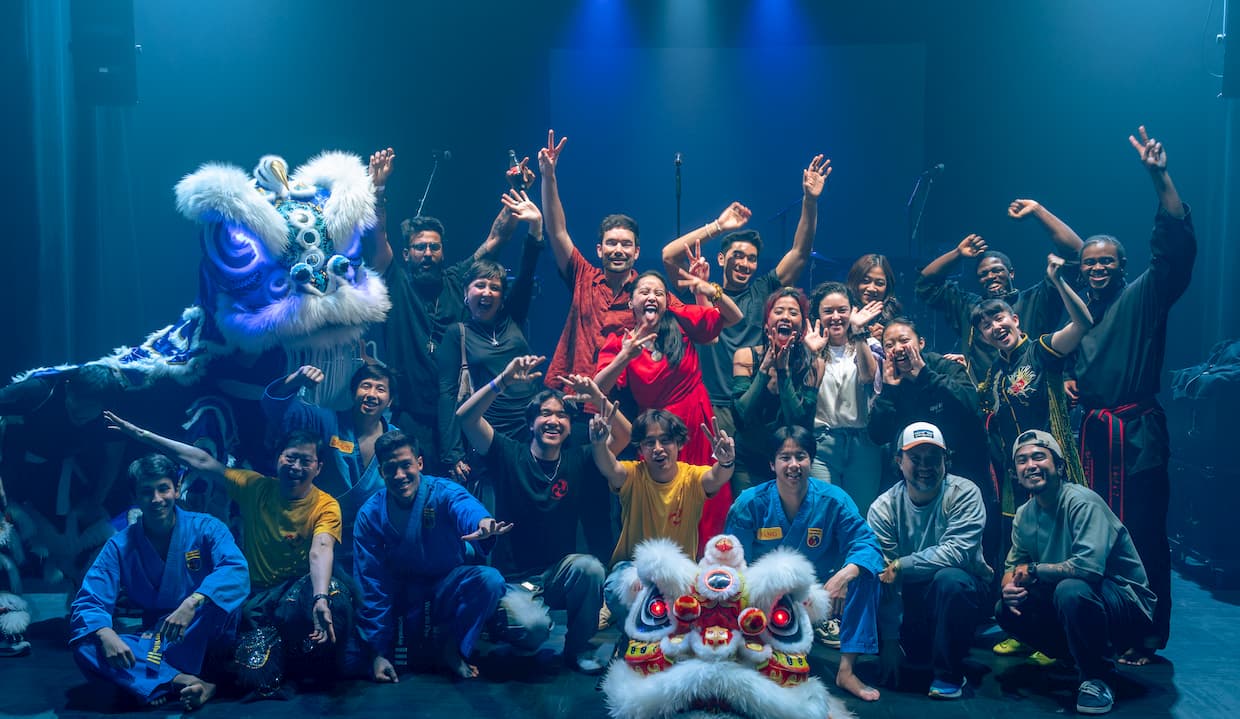
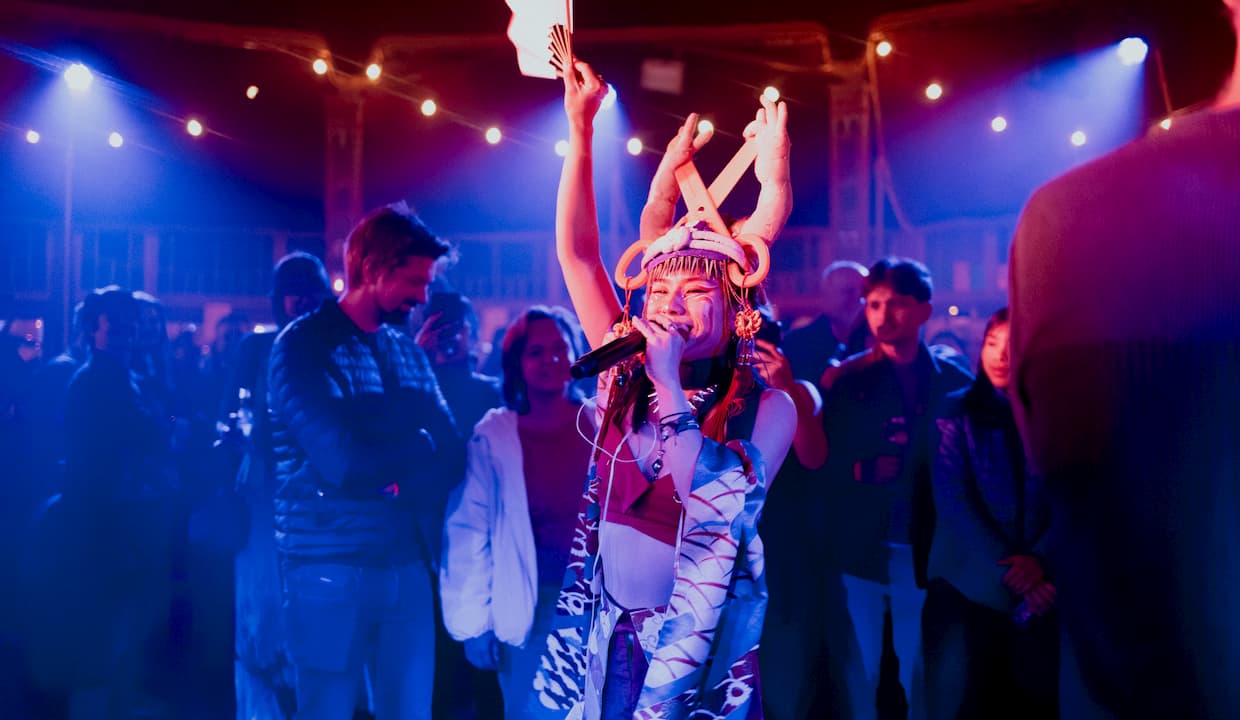
Expect music, dance, stand-up comedy and martial arts, brought to life by artists from Belgium, the Netherlands and the UK. Different disciplines, one stage!
© Benina Hu
₊‧°𐐪♡𐑂°‧₊ Hey! I’m Olly, the content creator of AB Lab. Thank you for reading!
If you want to stay up-to-date with what goes on in our creative playground, you can follow us on Instagram or subscribe to the monthly newsletter. ₊‧°𐐪♡𐑂°‧₊